Learn the benefits of investing in bulk plastic containers for sale
Wiki Article
Everything About Mass Plastic Containers: Benefits, Applications, and Sector Insights
Mass plastic containers play a significant function in numerous sectors, offering advantages that improve performance and sustainability. Their lightweight nature lowers shipping costs, while their longevity assurances safe storage space and transportation of diverse products. As companies increasingly look for eco-friendly remedies, the need for these containers is growing. This increases essential concerns about the products used and the fads influencing their layout. What ramifications do these variables have for the future of bulk plastic containers?Advantages of Mass Plastic Containers
Bulk plastic containers provide a wide variety of benefits in numerous markets. Their lightweight layout significantly minimizes transport prices, permitting effective logistics and less complicated handling. In addition, these containers offer resilience and resistance to weather components, chemicals, and physical influence, guaranteeing the risk-free storage space and transport of goods. The flexibility of bulk plastic containers allows them to be built into various sizes and shapes, dealing with details market needs.
Typical Applications Across Industries
While different markets make use of bulk plastic containers, their applications are especially popular in markets such as food and drink, pharmaceuticals, farming, and manufacturing. In the food and drink market, these containers are vital for saving and delivering products like grains, liquids, and prepared dishes, making certain freshness and safety and security. The pharmaceutical sector counts on bulk plastic containers for secure storage of vaccinations and medications, keeping compliance with rigorous regulations.In farming, these containers assist in reliable handling and transport of fruit and vegetables, plant foods, and chemicals, while additionally sustaining lasting practices through recyclability. Production industries utilize bulk plastic containers for components storage space and production line procedures, advertising company and workflow performance. Furthermore, these containers serve a substantial function in logistics and supply chain monitoring, streamlining the motion of products across numerous industries. On the whole, the flexibility of mass plastic containers makes them vital throughout multiple industries.
Product and Layout Considerations
When picking mass plastic containers, product and style considerations play an essential duty in ensuring functionality and conformity with industry standards. The selection of material substantially impacts the container's resilience, weight ability, and resistance to ecological factors. Typical materials include high-density polyethylene (HDPE) and polypropylene, recognized for their stamina and chemical resistance.Layout facets, such as dimension, shape, and closure mechanisms, also affect usability. Containers with ergonomic takes care of and stackable designs enhance storage effectiveness and simplicity of transportation. Additionally, attributes like venting or drain openings may be required for particular applications, enabling for air blood circulation or liquid elimination.
Compliance with safety and security policies, such as FDA approvals for food-grade applications, is important. plastic bulk containers. Overall, cautious consideration of materials and style can enhance efficiency and durability, guaranteeing that mass plastic containers meet the diverse needs of numerous sectors efficiently
Patterns wholesale Plastic Container Use
As sectors evolve, the use of mass plastic containers is increasingly affected by sustainability and effectiveness. Firms are choosing for green materials, such as recycled plastics, to minimize environmental effect while maintaining durability. This shift is driven by customer need for regulative pressures and lasting techniques targeted at lowering plastic waste.The trend toward automation in logistics and supply chain management is improving container styles. Bulk containers are currently being engineered for compatibility with automated systems, improving operational performance. Lightweight layouts are additionally acquiring grip, as they decrease shipping expenses and energy consumption during transportation.
On top of that, modification is coming to be a centerpiece, permitting companies to customize containers to specific requirements, therefore enhancing room and functionality. These trends mirror a wider commitment to sustainability, innovation, and efficiency within various sectors, making certain that mass plastic containers proceed to play an essential role in modern-day supply chains.
Finest Practices for Storage Space and Transportation
Effective storage and transport of bulk plastic containers need adherence to ideal practices that improve safety and effectiveness. Containers must be stacked firmly, assuring that weight is equally dispersed to avoid tipping or damages. Using pallets can facilitate simpler motion and protect the containers from ground dampness. In addition, proper labeling is essential for quick recognition and tracking throughout transportation.Temperature level control is another important element; extremes can endanger the stability of the products. It is recommended to store containers in a climate-controlled environment when essential. For transport, selecting suitable lorries designed for mass lots guarantees security and lessens threat throughout transit.
Normal assessments of containers prior to storage space and transport assistance identify any kind of wear or damage, permitting for timely upkeep or replacement. By following these ideal techniques, companies can optimize the lifecycle of bulk plastic containers while preserving operational effectiveness.
Often Asked Questions

Are Mass Plastic Containers Recyclable After Use?
Yes, bulk plastic containers are typically recyclable after use. Recyclability depends on the material type and local recycling programs. Proper cleansing and sorting are necessary to guarantee they are approved by recycling facilities.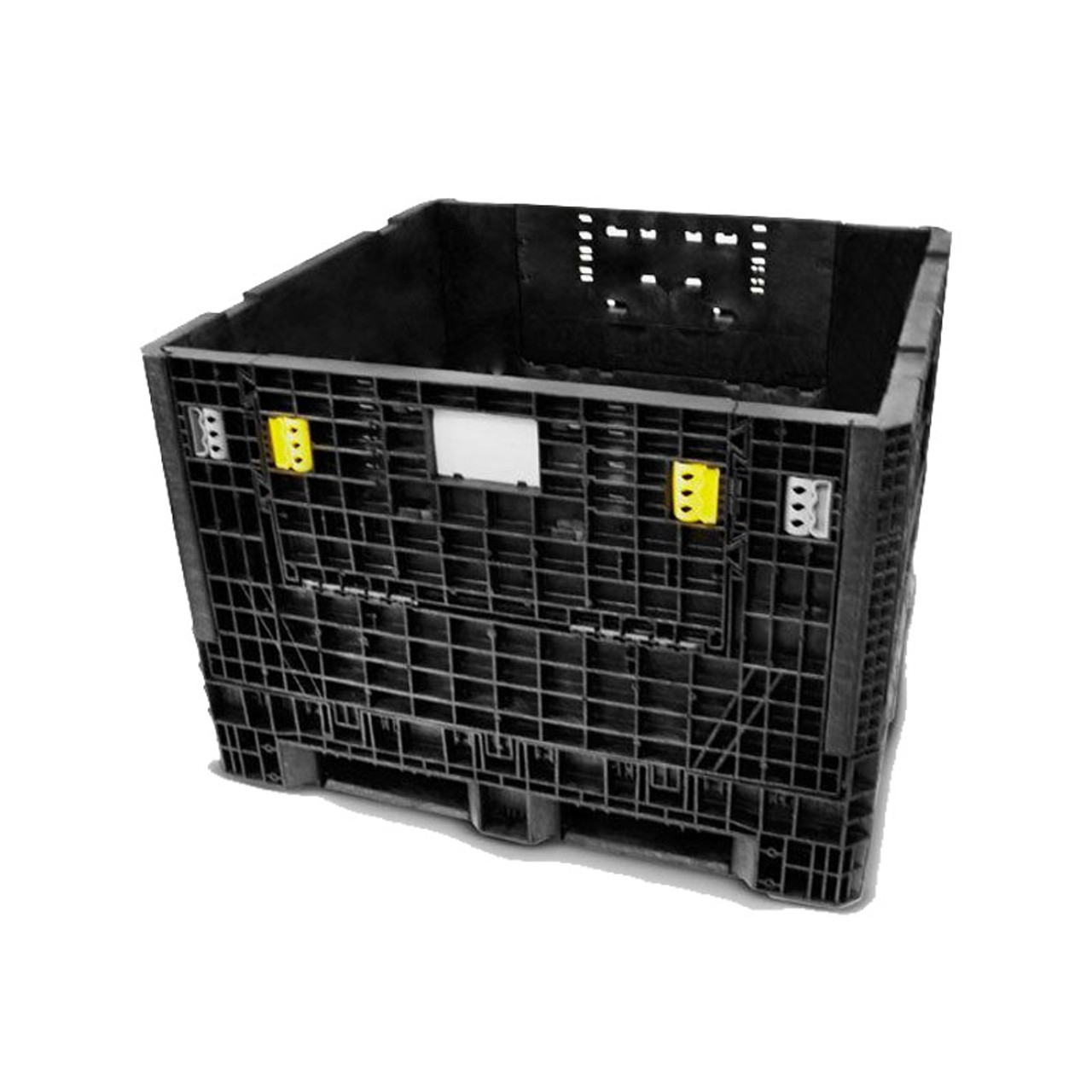
What Is the Life-span of Bulk Plastic Containers?
The life expectancy of mass plastic containers typically ranges from five to 10 years, depending upon usage problems, worldly high quality, and ecological variables. plastic bulk containers. Proper upkeep can extend their toughness, making them a resilient storage space option
Can Mass Plastic Containers Be Custom-made?
Yes, bulk plastic containers can be personalized. Makers usually use choices for size, product, color, and branding, permitting organizations to customize containers to their specific needs and improve their item discussion and capability.Exactly How Do Mass Plastic Containers Compare in Price to Alternatives?
Bulk plastic containers commonly offer a reduced expense compared to choices like metal or glass, because of their light-weight nature and sturdiness. This makes them a cost-effective choice for organizations needing efficient storage space solutions.Are There Safety And Security Regulations for Utilizing Mass Plastic Containers?
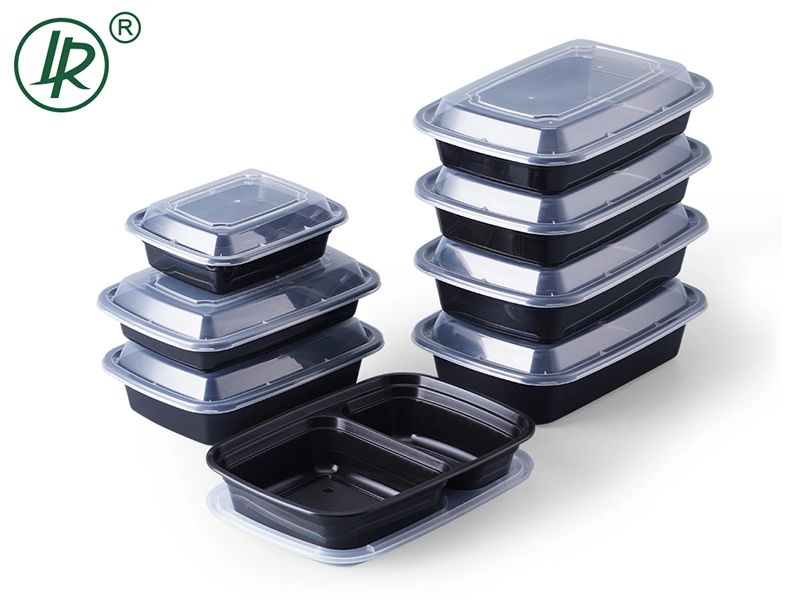
Mass plastic containers play a significant role in numerous markets, offering benefits that enhance performance and sustainability. While numerous markets utilize bulk plastic containers, their applications are specifically noticeable in markets such as food and beverage, drugs, agriculture, and manufacturing. Manufacturing industries use bulk plastic containers for components storage and assembly line operations, advertising company and workflow efficiency. When selecting bulk plastic containers, product and style considerations play a crucial role in guaranteeing performance and conformity with sector requirements. As sectors advance, the use of bulk plastic containers is progressively influenced by sustainability and effectiveness.
Report this wiki page